
WhatsApp
Send us a message
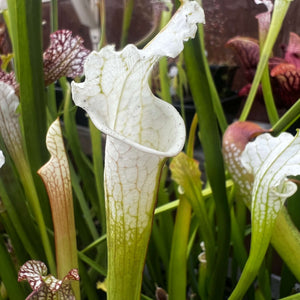
The 'Hurricane Creek' cultivar name can be applied to Sarracenia leucophylla var. alba clones, or their seeds, that were found at the Hurricane Cre...
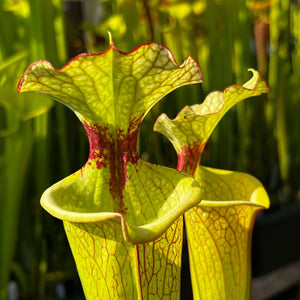
View full detailsSarracenia flava var. atropurpurea (Santa Rosa Beach, Walton County, Florida) is a dark, heavily pigmented form selected from the Florida panhandle...
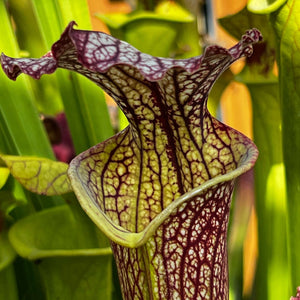
View full detailsSarracenia flava var. atropurpurea 'Waccamaw' is a stunning Sarracenia flava var. atropurpurea from North Carolina’s Green Swamp. It has the classi...
View full detailsThis particular clone of the Sarracenia alata var. atrorubra is quite different. It originated from wild-collected seed in Jackson County, Mississi...
View full detailsOne of the giants! The 'Chipola Giant' Sarracenia purpurea subsp venosa var. burkii (or Sarracenia rosea if you prefer) clones are real show-stoppe...
View full detailsThe 'Hurricane Creek' cultivar name can be applied to Sarracenia leucophylla var. alba clones, or their seeds, that were found at the Hurricane Cre...
View full detailsThe 'Hurricane Creek' cultivar name can be applied to Sarracenia leucophylla var. alba clones, or their seeds, that were found at the Hurricane Cre...
View full detailsSarracenia purpurea 'Chipola Giant' is a name given to a few clones of giant Sarracenia purpurea subsp. venosa var. burkii (Sarracenia rosea) origi...
View full detailsSarracenia rubra subsp. alabamensis AL003 comes from a secret site in central Alabama. The exact location stays protected to keep wild plants safe....
View full detailsMK-PV41
Sarracenia minor var. okefenokeensis is the giant variant of the species. The pitchers of this plant can grow up to a metre tall! Typical of Sarrac...
View full detailsSarracenia purpurea subsp. purpurea (Near Durham, Grey County, Ontario, Canada)
Sarracenia psittacina var. psittacina (George County, Alabama)
Is this the best-looking Sarracenia oreophila around? It's certainly a contender! Originally from the Sand Mountain plateau in Northwest Georgia, t...
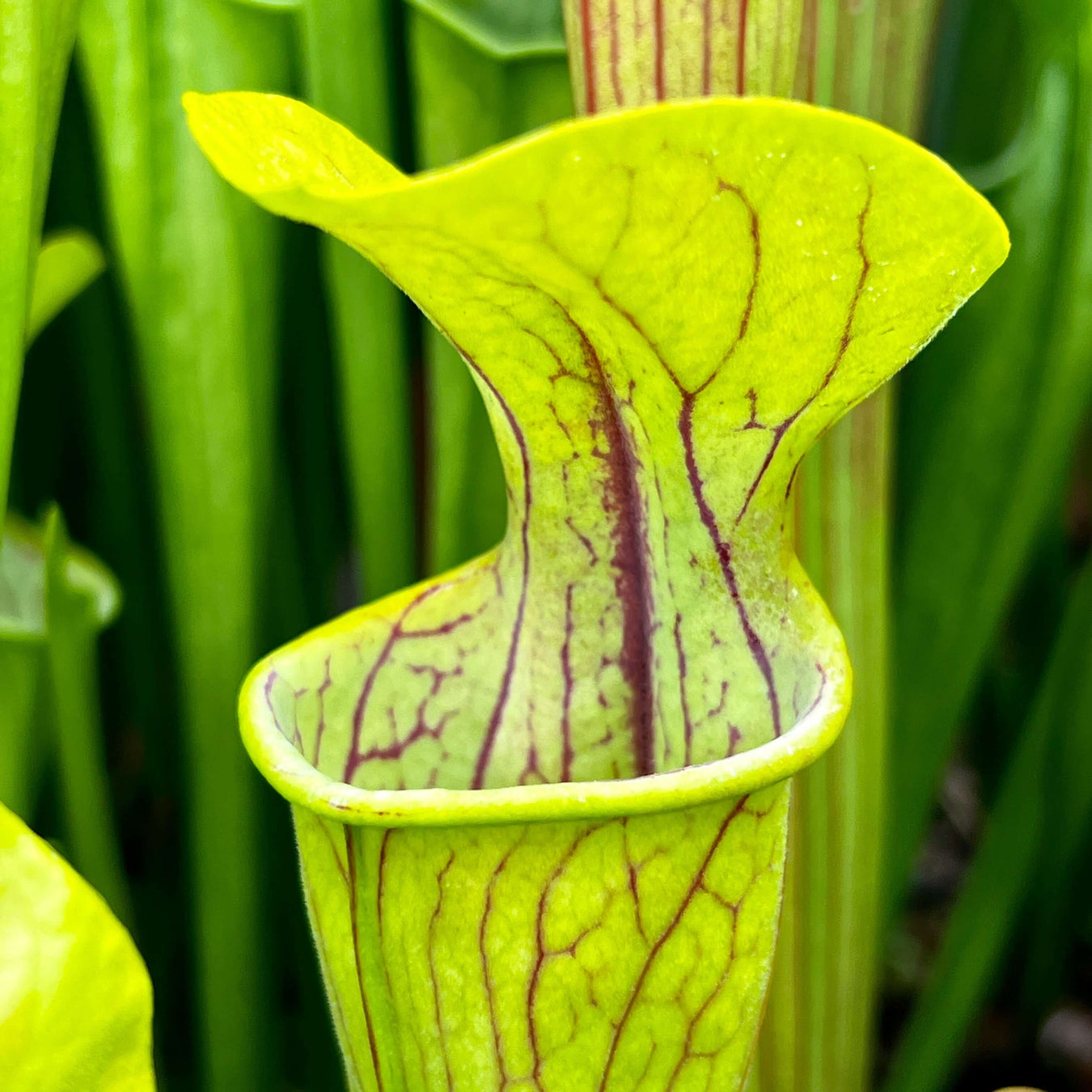
View full detailsA nice example of a Sarracenia flava var. ornata from Florida. As per the varietal name 'ornata', this Sarracenia flava displays ornata red veins t...
View full detailsJS-F35
A vigorous example of Sarracenia flava var. ornata from Virginia. The pitchers are the classic flava shape with generally fine red veination. For u...
View full detailsThis vigorous clone of Sarracenia flava is a great plant if you want an easy-to-grow, nice-sized, and hard-as-nails Sarracenia flava var. flava. Th...
View full details