Skip to content

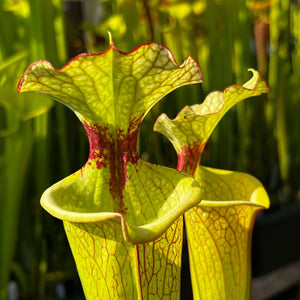
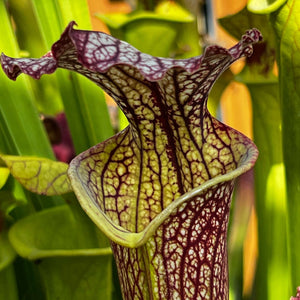
Sarracenia × soperi

Also sometimes known as Sarracenia × alava, crosses between Sarracenia flava and Sarracenia alata are now usually classified as Sarracenia × soperi.

Filters

Sarracenia × soperi 'Roy Cheek'

Original price £79.99 - Original price £79.99
Original price
£79.99
£79.99 - £79.99
Current price £79.99
In stock

Named after well-known horticulturalist Roy Cheek at the 2018 RHS Hampton Court Flower Show by Matt Soper. This Sarracenia × soperi (S. alata X S. ...

View full details

Sarracenia × soperi (alata - Red Lid X flava var. ornata) MK-H17

Original price £13.99
Original price £13.99 - Original price £13.99
Original price £13.99
Current price £9.99
£9.99 - £9.99
Current price £9.99
Out of stock

Sarracenia × soperi (Sarracenia alata – Red Lid X Sarracenia flava var. ornata) is a classic hybrid by Adrian Slack. It combines the upright struct...

View full details
FAQs

Can I grow Sarracenia outdoors in the UK?

Yes, most Sarracenia species are fully frost-tolerant and can live outside all year round in UK gardens, bog gardens, or patio pots. Species such as leucophylla and psittacina can be more sensitive and usually fare better in an unheated greenhouse.

How do I water Sarracenia?
  • March–October: Stand the plant pot in a saucer or tray containing 1 to 3 cm of rainwater (or more when the weather's really warm). The soil should never be allowed to dry out.
  • November–February: Keep the soil just damp, reducing the standing water significantly while they rest.
Can I use tapwater for Sarracenia?

No, unless you live in a very soft water area (<50ppm) do not use tapwater. Regular tap water contains minerals, lime, and chlorine that burn and kill the roots over time.
Always use collected rainwater, distilled water, or reverse-osmosis (RO) water.

Do Sarracenia need winter dormancy?

Yes, Sarracenia need a cold winter rest period (roughly from Halloween to Valentine's Day) with lower temperatures (unheated greenhouses, cold frames, or bright sheds). Their old pitchers will turn brown and die back; this is completely natural. Trim away dead growth in late winter to prevent mould (botrytis).

Read more here: How to Keep Your Sarracenia Healthy Through Winter Dormancy

What kind of soil should I use for Sarracenia?

Use a specialist peat-free or low-nutrient carnivorous plant compost, typically mixed with perlite or equivalent for drainage. Never use standard multi-purpose garden compost, which contains too many nutrients.

Read more here: Sarracenia Soil Mix Guide: Simple Pitcher Plant Soil for Beginners