
WhatsApp
Send us a message
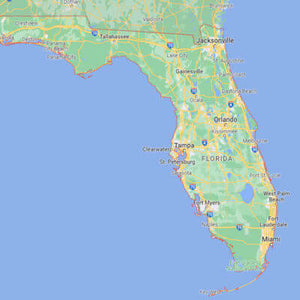
A selection of Sarracenia plants, or their seeds, that originated from the state of Mississippi in the United States. Location data is essential for helping collectors be a vital store of regional Sarracenia genetics, particularly where natural habitats are endangered or have already been destroyed.
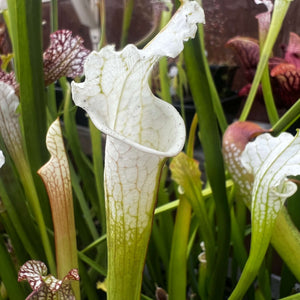
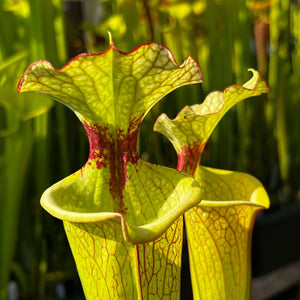
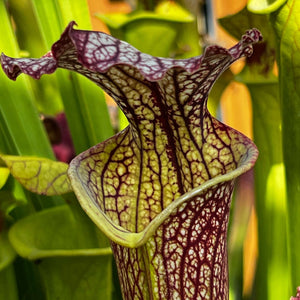
Mississippi provides natural habitats to Sarracenia alata, Sarracenia leucophylla, Sarracenia psittacina, Sarracenia rubra, Sarracenia alabamensis and Sarracenia rosea (Sarracenia purpurea subsp. venosa var. burkii).
This is one of our favourite Sarracenia alata! The pitchers of this clone of Sarracenia alata var. rubrioperculata develop a strong red colour maki...
View full detailsThis clone of S. alata var. nigropurpurea is known for its distinct black-coloured tubes, with genetics from a site at the intersection of state ro...
View full detailsSarracenia alata var. alata (Ocean City, Jackson County, Mississippi)
JS-A13
Sarracenia alata var. rubrioperculata – Red Lid (De Soto National Forest, Mississippi) A3 MK is a red-lidded location form recorded in Mike King’s ...
View full detailsSarracenia alata var. alata (Harrison County, Mississippi)
Sarracenia alata var. ornata (White's Crossing, DeSoto, Stone County, Mississippi) is an exceptionally tall form of the pale pitcher plant, capable...
View full detailsThis particular clone of the Sarracenia alata var. atrorubra is quite different. It originated from wild-collected seed in Jackson County, Mississi...
View full details