
WhatsApp
Send us a message
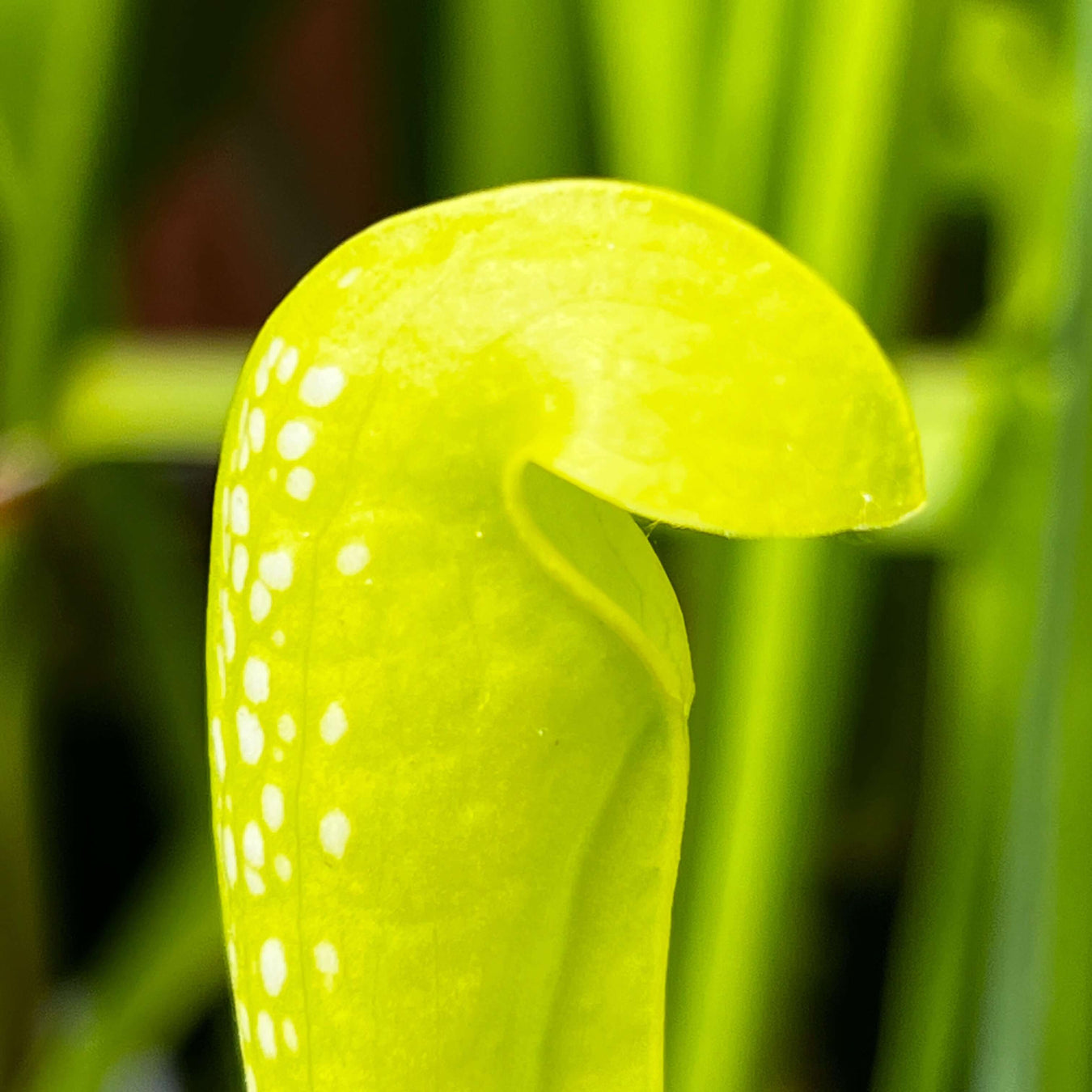
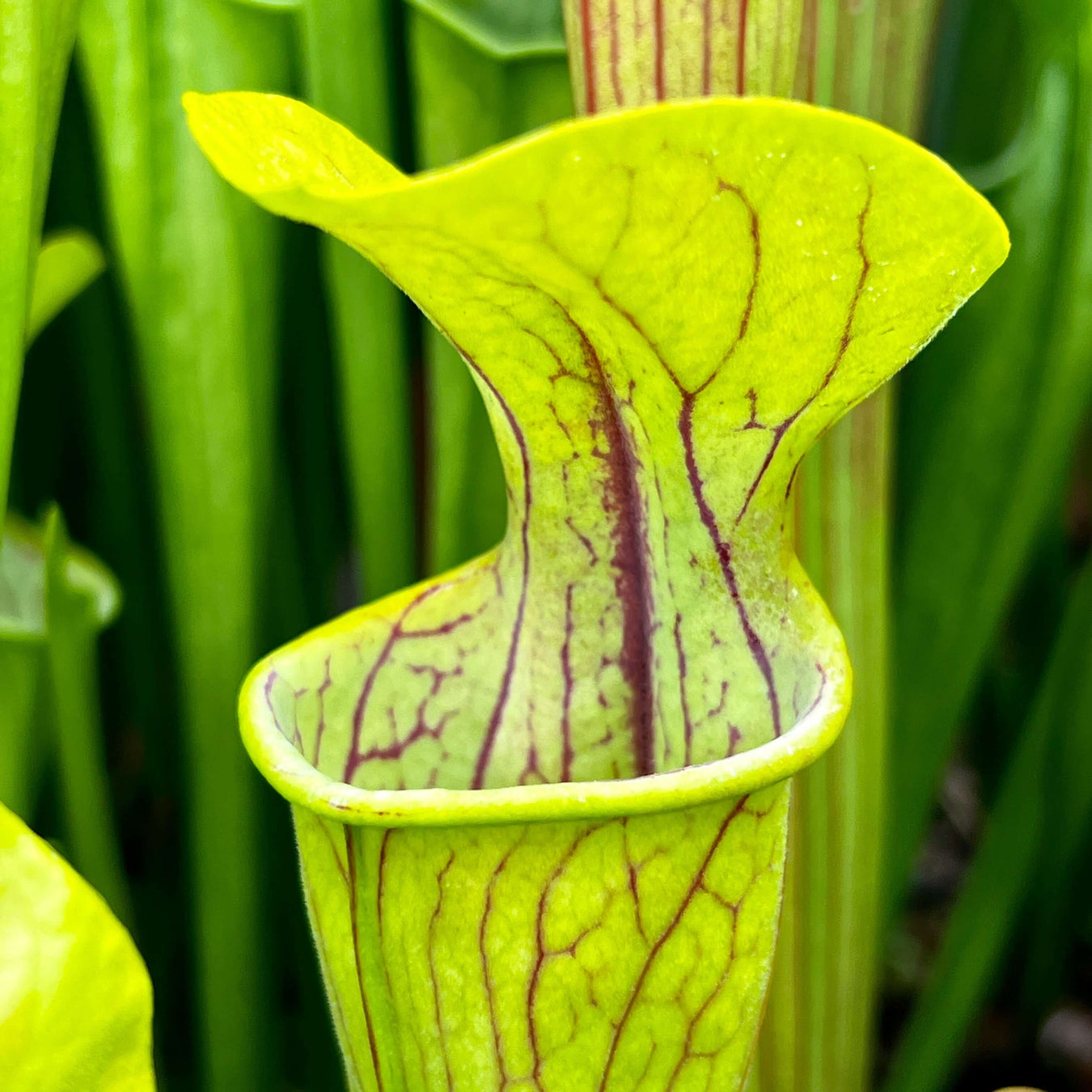
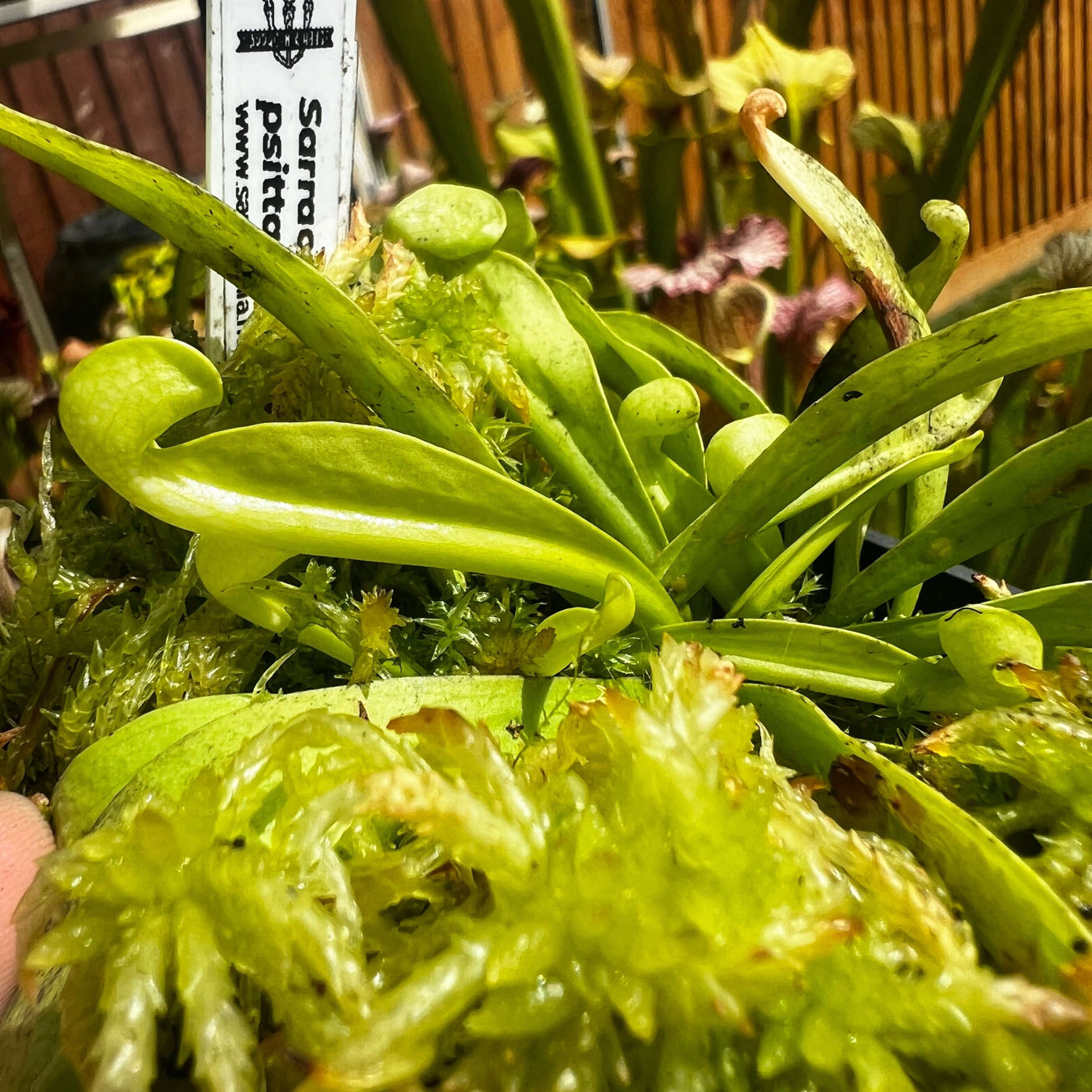
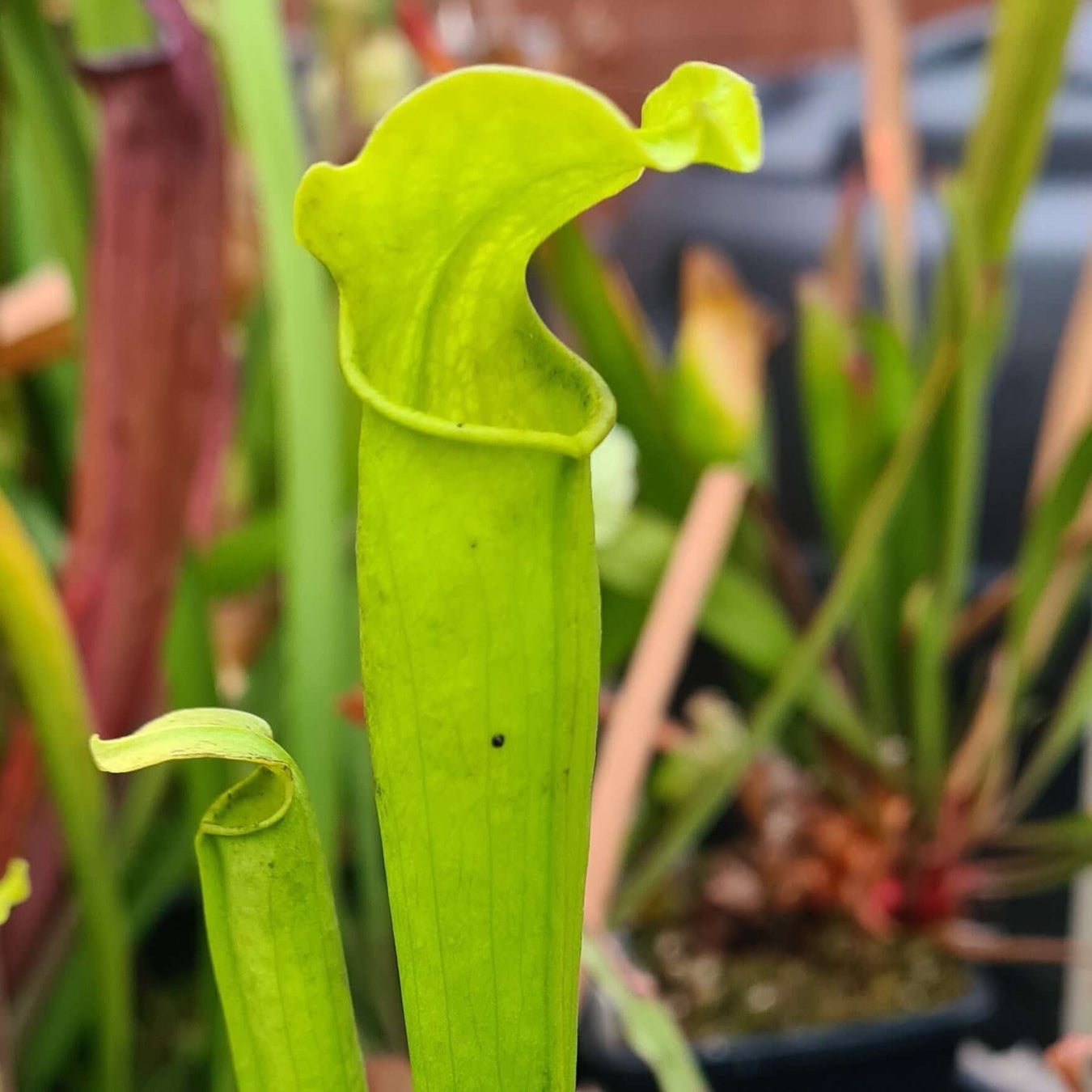
Created by Matthew Soper in 1997, Sarracenia 'Juthatip Soper' is an attractive carnivorous plant with characteristic upright pitchers that are init...
View full detailsThis is a delightful little Sarracenia hybrid created by Stephen Morely in Yorkshire, England. Think of a plant with the colouration of Sarracenia ...
View full detailsSarracenia × farnhamii is a natural hybrid between Sarracenia leucophylla and Sarracenia rubra. It combines the tall, flared pitchers of leucophyll...
View full detailsThis is one of our favourite Sarracenia alata! The pitchers of this clone of Sarracenia alata var. rubrioperculata develop a strong red colour maki...
View full detailsMK-H386D
MK-L45
Created in 1992 by John Hummer, this hybrid is one of the most instantly recognisable Sarracenia around. The name Sarracenia 'Hummer's Hammerhead' ...
View full detailsSarracenia flava var. cuprea IS-FC01
Sarracenia × moorei 'Santa Rosa Big Mouth' from Santa Rosa County, Florida, is a tall plant with pitchers that often reach 70 to 80 cm. The name fi...
View full detailsSarracenia 'Adrian Slack' is a carnivorous plant named in tribute to the renowned Sarracenia grower, Adrian Slack. Although the exact parentage of ...
View full detailsSarracenia 'Johnny Marr' is a good-looking hybrid created in 1999 by crossing a Sarracenia × catesbaei (Sarracenia flava var. cuprea X Sarracenia p...
View full detailsSarracenia leucophylla X 'Adrian Slack' Clone G is one of a series of clones produced by Miroslav Srba. This cross combines two of the most desirab...
View full detailsSarracenia × moorei 'Joanna' X × exornata 'Peaches and Cream' combines two well-known hybrids, bringing together shape, structure, and fine veining...
View full detailsSarracenia × moorei (MK-F117 × MK-L20a) is a cross between Sarracenia flava var. rugelii (Milton, Florida) and a tall, red-lipped Sarracenia leucop...
View full detailsThis Sarracenia alata var. rubrioperculata is a striking form of Sarracenia alata selected for its bold upper pitcher colouration. While the tube r...
View full detailsJS-H28
Sarracenia × moorei (flava 'Maxima' × leucophylla) is a hybrid that combines the bright, anthocyanin-lacking characteristics of Sarracenia flava 'M...
View full detailsPossibly the most handsome Sarracenia flava var. maxima out there! This Sarracenia flava was selected by Matt Soper of Hampshire Carnivorous Plants...
View full detailsSarracenia alata var. alata f. viridescens (Washington County, Alabama) is an anthocyanin-free form of the pale pitcher plant. Unlike typical alata...
View full detailsSarracenia 'Asbo' × 'Peaches and Cream' is a hybrid that combines strong shape and vigour with a softer colour palette. The influence of 'Asbo' can...
View full detailsSarracenia flava var. rubricorpora F25 (Apalachicola National Forest, Florida) is a selected red tube form from one of the most famous Sarracenia r...
View full detailsSarracenia leucophylla 'Slack Clone' × 'Schnell's Ghost' is a leucophylla cross that focuses on strong white pigmentation and late-season height. B...
View full detailsSarracenia flava var. cuprea (Shallotte, Brunswick County, North Carolina) is a copper-lidded form from the coastal plain of North Carolina. Plants...
View full detailsSarracenia × moorei X oreophila