
WhatsApp
Send us a message
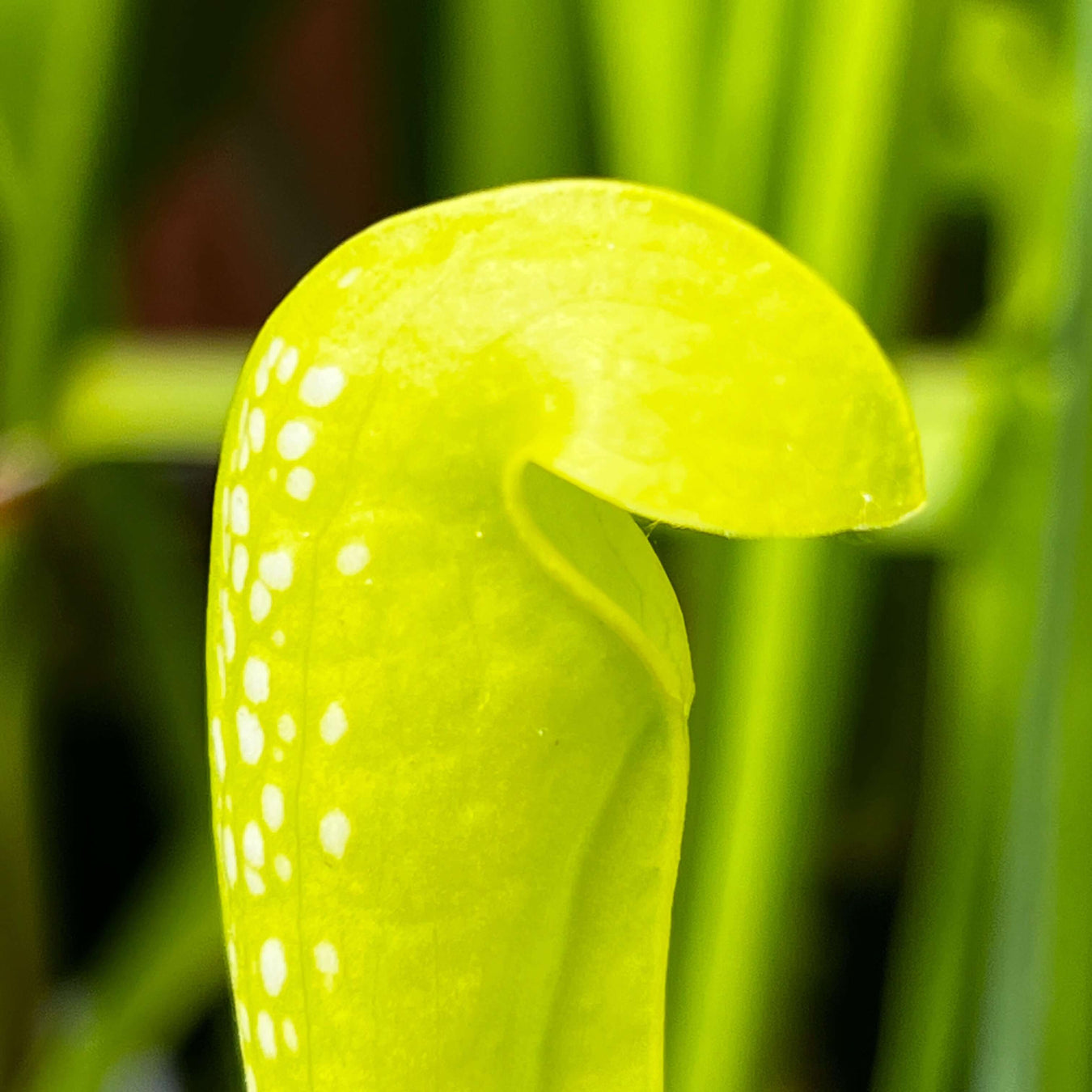
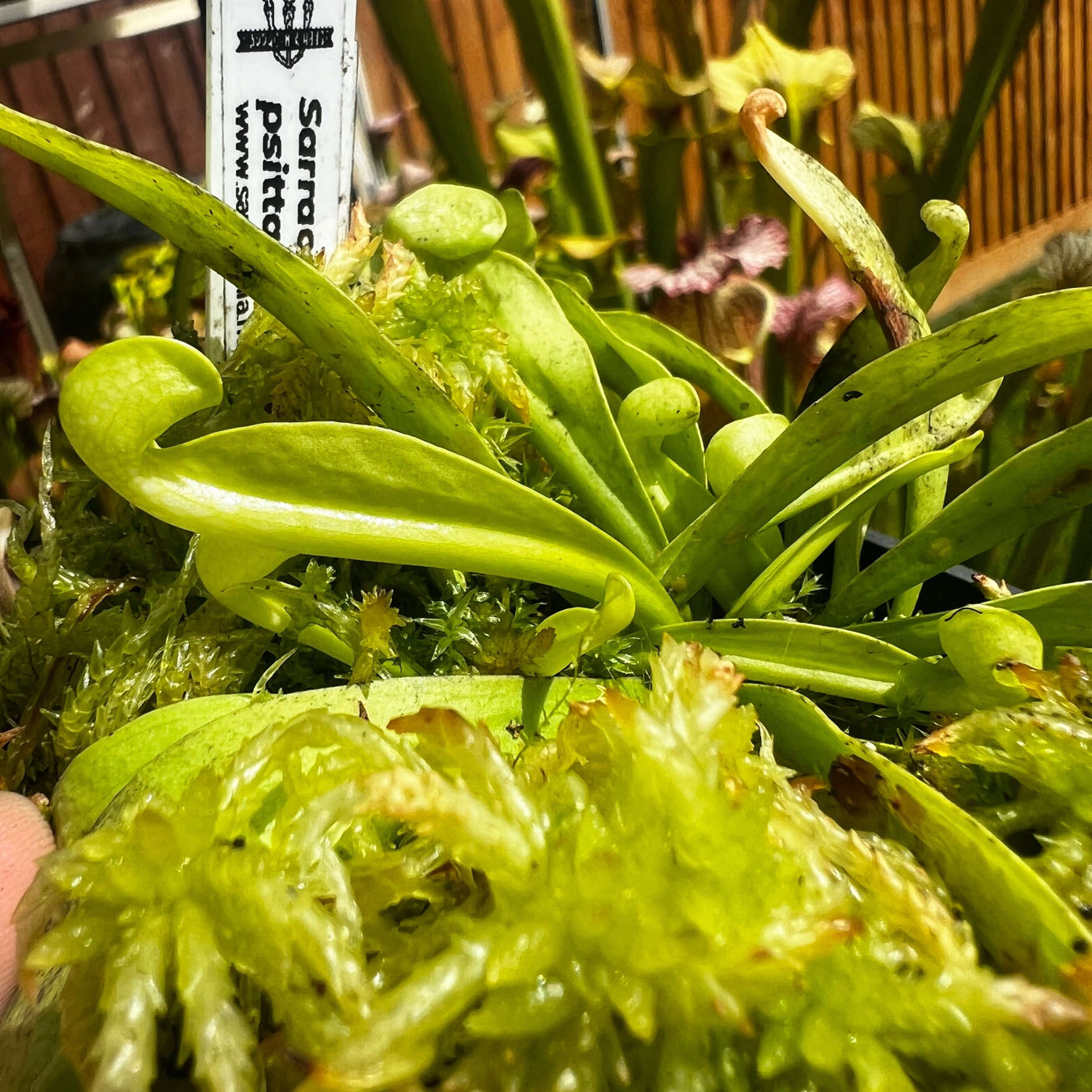
Sarracenia psittacina var. psittacina (George County, Alabama)
Sarracenia purpurea subsp. purpurea var. riplicola (Bruce Peninsula, Ontario, Canada) MK-PP14
Sarracenia purpurea subsp. venosa ‘Gigantea’ is a selected form of Sarracenia purpurea distributed through Triffid Nurseries. It represents a large...
View full detailsSarracenia leucophylla L3 Giant is an impressive Sarracenia with location genetics from Citronelle, Alabama. This plant is known for its imposing s...
View full detailsSarracenia leucophylla 'Black Sheer'
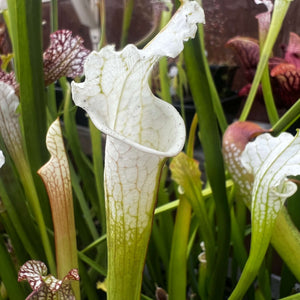
The 'Hurricane Creek' cultivar name can be applied to Sarracenia leucophylla var. alba clones, or their seeds, that were found at the Hurricane Cre...
View full detailsThe 'Hurricane Creek' cultivar name can be applied to Sarracenia leucophylla var. alba clones, or their seeds, that were found at the Hurricane Cre...
View full detailsIn 1999, seeds of Sarracenia purpurea subsp. venosa were successfully germinated at the University of California. After several years of cultivatio...
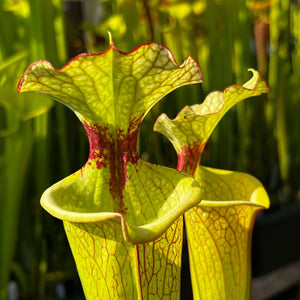
View full detailsSarracenia flava var. atropurpurea (Santa Rosa Beach, Walton County, Florida) is a dark, heavily pigmented form selected from the Florida panhandle...
View full detailsSarracenia flava var. atropurpurea 'Waccamaw' is a stunning Sarracenia flava var. atropurpurea from North Carolina’s Green Swamp. It has the classi...
View full detailsSarracenia flava var. ornata - Lidless Form
This particular clone of the Sarracenia alata var. atrorubra is quite different. It originated from wild-collected seed in Jackson County, Mississi...
View full detailsSarracenia flava f. viridescens 'Suspicion' is a well-known, all-green clone of Sarracenia flava that stands out in any collection. The only named ...
View full detailsOne of the giants! The 'Chipola Giant' Sarracenia purpurea subsp venosa var. burkii (or Sarracenia rosea if you prefer) clones are real show-stoppe...
View full detailsSarracenia purpurea, being native to the North America continent, should not be expected to be found growing wild in Ireland. However, there are po...
View full detailsThe 'Hurricane Creek' cultivar name can be applied to Sarracenia leucophylla var. alba clones, or their seeds, that were found at the Hurricane Cre...
View full detailsThe 'Hurricane Creek' cultivar name can be applied to Sarracenia leucophylla var. alba clones, or their seeds, that were found at the Hurricane Cre...
View full detailsSarracenia purpurea 'Chipola Giant' is a name given to a few clones of giant Sarracenia purpurea subsp. venosa var. burkii (Sarracenia rosea) origi...
View full detailsSarracenia rubra subsp. alabamensis AL003 comes from a secret site in central Alabama. The exact location stays protected to keep wild plants safe....
View full detailsMK-L101, JS-L12
The Sarracenia flava var. maxima plants have all green pitchers but are not anthocyanin-free like Sarracenia flava var. flava f. viridescens. Young...
View full detailsThe pitcher of this species displays typical colour, size, and shape for the Sarracenia leucophylla species. The flower features an abundance of un...
View full detailsAs the name suggests, this is a very large growing Sarracenia flava var. cuprea! This is not our largest cuprea, that is Sarracenia flava var. cupr...
View full detailsJS-F130