
Skip to content

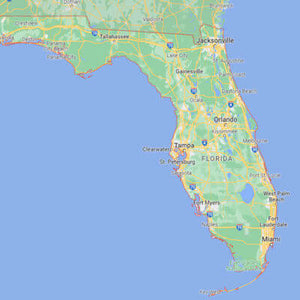
Sarracenia flava var. atropurpurea (Blackwater River State Forest, Florida) MK-F27B

North American Pitcher Plant
Availability:
Out of stock
Sold out
Original price £14.99 - Original price £14.99
Original price
£14.99
£14.99 - £14.99
Current price £14.99
Supplied in a 9cm Pot

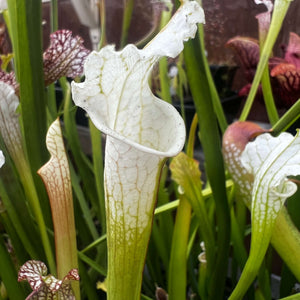
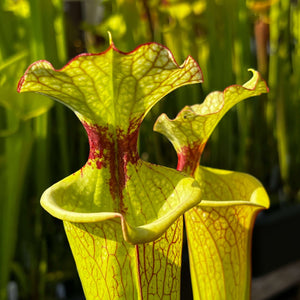
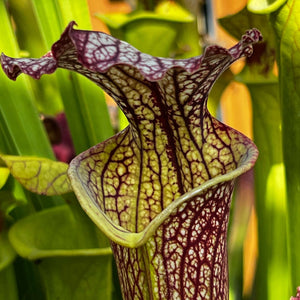
You’ll receive one established division growing in a 9cm pot with soil perfect for Sarracenia. Plant size and seasonal appearance will vary; photos show our mother plants.

Seasonal Information

30.07.26 - Many Sarracenia species and hybrids are starting to lose their early pitchers, which may now be removed before shipping

Delivery Information

Delivery from £4.99 (mainland UK). We aim to dispatch orders within 2 working days.

Description of Sarracenia flava var. atropurpurea (Blackwater River State Forest, Florida) MK-F27B

This Sarracenia flava var. atropurpurea from Blackwater River State Forest, Florida (MK-F27B) is a red form with substantial pitchers and dense veining. Its colour develops gradually after the traps open. Under high light levels, red pigmentation spreads across the tube and lid, eventually giving well-coloured pitchers an almost solid red appearance.

Fresh pitchers look quite different. They open with bronze tones and a network of dark red veins, sometimes resembling Sarracenia flava var. ornata. Over the following weeks, red colouring fills the spaces between these markings. The veins remain visible for longer on pitchers that do not develop such heavy pigmentation.

The traps grow upright, widening towards a broad mouth with a rounded lip. Large lids spread above the opening, with slightly waved edges and a pointed tip. Dark markings extend through the throat and branch across the lid. The upper surface can show copper, bronze and muted red tones alongside the darker veins.

Light levels make a noticeable difference to MK-F27B. A bright position under glass can encourage fuller red colouring than an outdoor position. In dull British weather, the pitchers may retain more bronze and green between the veins. Give the plant plenty of direct sunlight and allow several weeks for newly opened traps to colour.

This clone grows relatively quickly for a red Sarracenia flava. Established plants regularly produce large pitchers, flower and develop additional growth points for division. The yellow flowers contrast with the red and bronze foliage, with broad, hanging petals beneath yellow-green sepals.

Plant photos above are of our Sarracenia flava var. atropurpurea (Blackwater River State Forest, Florida) MK-F27B mother plants. Divisions are taken from the mother plants and are planted into 9cm pots to be sold. Division sizes can vary greatly and will always be sent largest first. If you'd like to know the size of a plant before ordering, please feel free to contact us.

Sarracenia flava var. atropurpurea - All Red Form (Blackwater River State Forest, Florida) MK-F27B

Basic Sarracenia Care

Sarracenia flava var. atropurpurea (Blackwater River State Forest, Florida) MK-F27B is easy to care for, given the correct conditions. An unheated greenhouse is an ideal location. Here are the 3 golden rules for healthy Sarracenia pitcher plants.

  1. Provide as much sun as possible.
  2. Keep their pots sat in 1-2cm of rainwater.
  3. Use acidic soil. A 1:1 peat moss & perlite mix is typical.

Take a look at our full, in-depth guide for more information.

FAQs

What makes sarracenia flava var. atropurpurea different to other sarracenia flava varieties?

Sarracenia flava var. atropurpurea differs from other Sarracenia flava varieties by its striking, deep red-to-maroon pigmentation that covers the entire pitcher tube, throat, and lid when grown in full sun.

How tall do Sarracenia flava get?

Sarracenia flava typically grows 45cm to 90cm feet tall. This varies dependant on the specific plant, growing conditions and seasonal variations.

Can I grow Sarracenia outdoors in the UK?

Yes, most Sarracenia species are fully frost-tolerant and can live outside all year round in UK gardens, bog gardens, or patio pots. Species such as leucophylla and psittacina can be more sensitive and usually fare better in an unheated greenhouse.

How do I water Sarracenia?
  • March–October: Stand the plant pot in a saucer or tray containing 1 to 3 cm of rainwater (or more when the weather's really warm). The soil should never be allowed to dry out.
  • November–February: Keep the soil just damp, reducing the standing water significantly while they rest.
Can I use tapwater for Sarracenia?

No, unless you live in a very soft water area (<50ppm) do not use tapwater. Regular tap water contains minerals, lime, and chlorine that burn and kill the roots over time.
Always use collected rainwater, distilled water, or reverse-osmosis (RO) water.

Do Sarracenia need winter dormancy?

Yes, Sarracenia need a cold winter rest period (roughly from Halloween to Valentine's Day) with lower temperatures (unheated greenhouses, cold frames, or bright sheds). Their old pitchers will turn brown and die back; this is completely natural. Trim away dead growth in late winter to prevent mould (botrytis).

Read more here: How to Keep Your Sarracenia Healthy Through Winter Dormancy