
WhatsApp
Send us a message
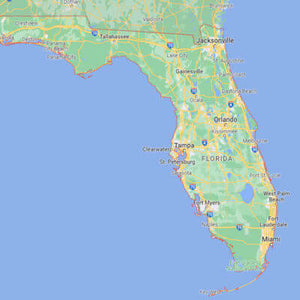
A selection of Sarracenia plants, or their seeds, that originated from the state of Florida in the United States. Location data is essential for helping collectors be a vital store of regional Sarracenia genetics, particularly where natural habitats are endangered or have already been destroyed.
Florida, especially the north, provides natural habitats to Sarracenia flava, Sarracenia leucophylla, Sarracenia minor, Sarracenia psittacina, Sarracenia rubra and Sarracenia rosea (Sarracenia purpurea subsp. venosa var. burkii).
MK-L83
MK-L18
Sarracenia flava var. rugelii (Blackwater National Park, Florida)
JS-F22, IP-F13
Sarracenia flava var. ornata (Sandy Creek Road, Bay County, Florida)
Sarracenia flava var. ornata 'Killer' is a distinct flava originating from a specific locality in Okaloosa County, Florida. Its genetic background ...
View full detailsThere aren't many anthocyanin-free (no red) forms of Sarracenia Flava in cultivation and this particular clone is a beauty.
Sarracenia flava var. atropurpurea (Blackwater, North Florida) F3 is a selected clone originating from the Blackwater area of the Florida Panhandle...
View full detailsSarracenia flava var. rubricorpora - Selfed Mike King Plant (Sumatra, Florida)
JS-F130
One of the giants! The 'Chipola Giant' Sarracenia purpurea subsp venosa var. burkii (or Sarracenia rosea if you prefer) clones are real show-stoppe...
View full detailsSarracenia purpurea 'Chipola Giant' is a name given to a few clones of giant Sarracenia purpurea subsp. venosa var. burkii (Sarracenia rosea) origi...
View full detailsMK-PV41
Sarracenia 'Royal Ruby' is a striking natural hybrid of Sarracenia × moorei (Sarracenia flava X Sarracenia leucophylla), originally discovered in n...
View full detailsA nice example of a Sarracenia flava var. ornata from Florida. As per the varietal name 'ornata', this Sarracenia flava displays ornata red veins t...
View full detailsJS-F35
This Sarracenia alata var. alata from Jackson County in Florida is a classic Gulf Coast form of the pale pitcher plant. Populations from Jackson Co...
View full details