
WhatsApp
Send us a message
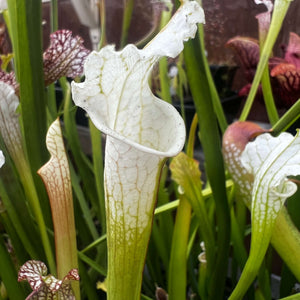
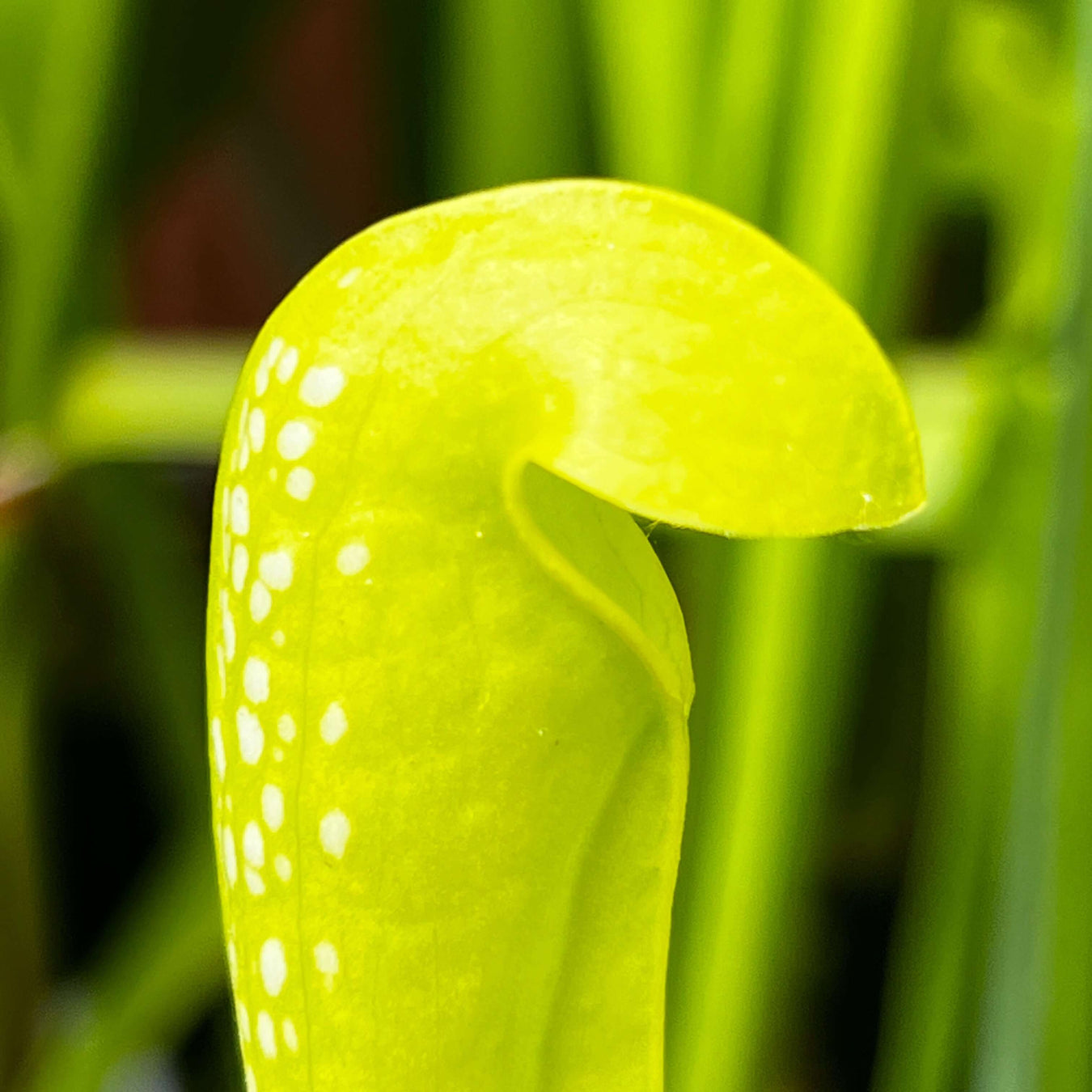
The 'Hurricane Creek' cultivar name can be applied to Sarracenia leucophylla var. alba clones, or their seeds, that were found at the Hurricane Cre...
View full detailsMK-L115
Sarracenia leucophylla var. alba White Top (Baldwin County, Alabama)
MK-L34
Sarracenia minor var. minor f. viridescens F2
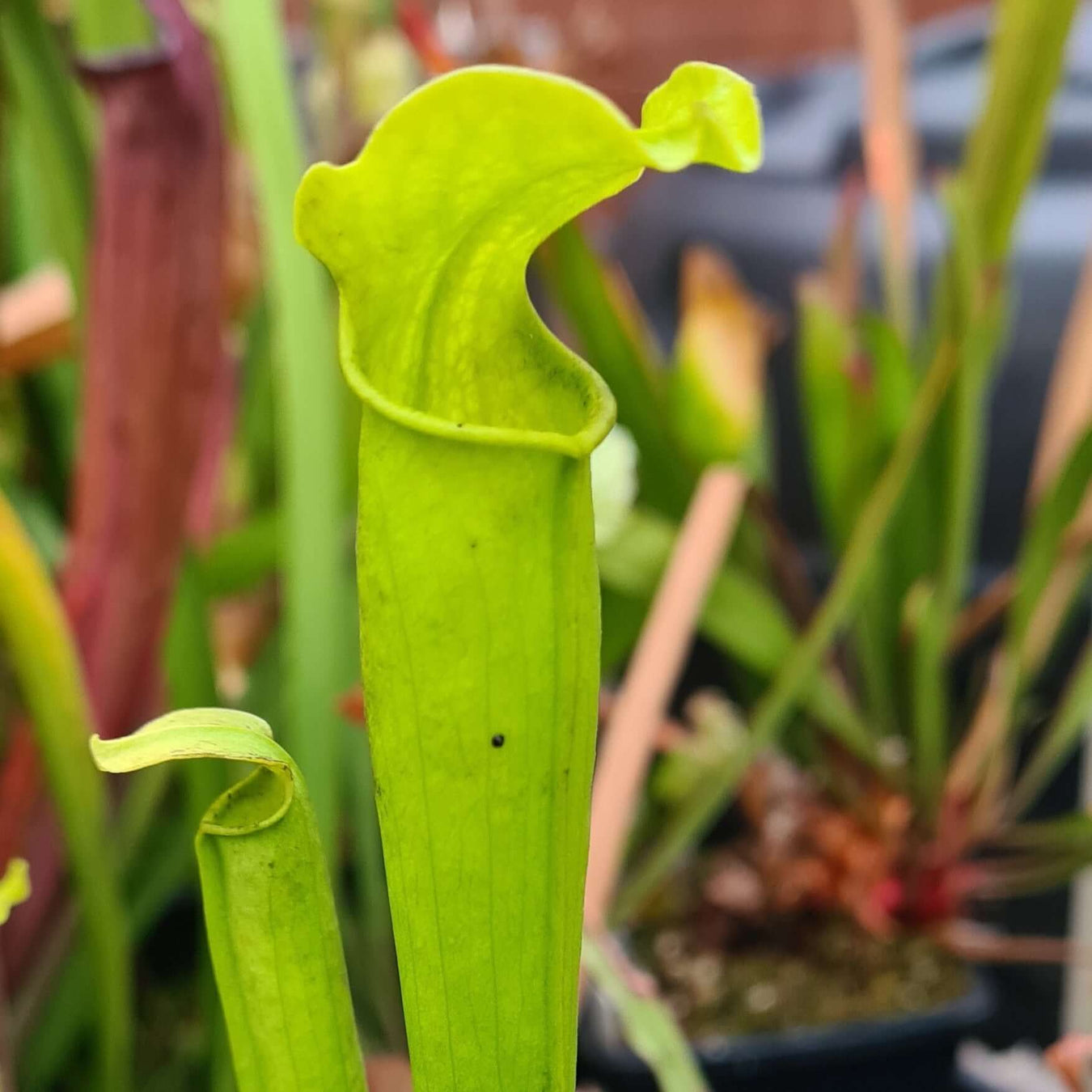
Sarracenia minor var. minor (Fargo, Clinch County, Georgia) is a pale-coloured selection of the hooded pitcher plant from southern Georgia. This lo...
View full detailsMK-O11, JS-O9
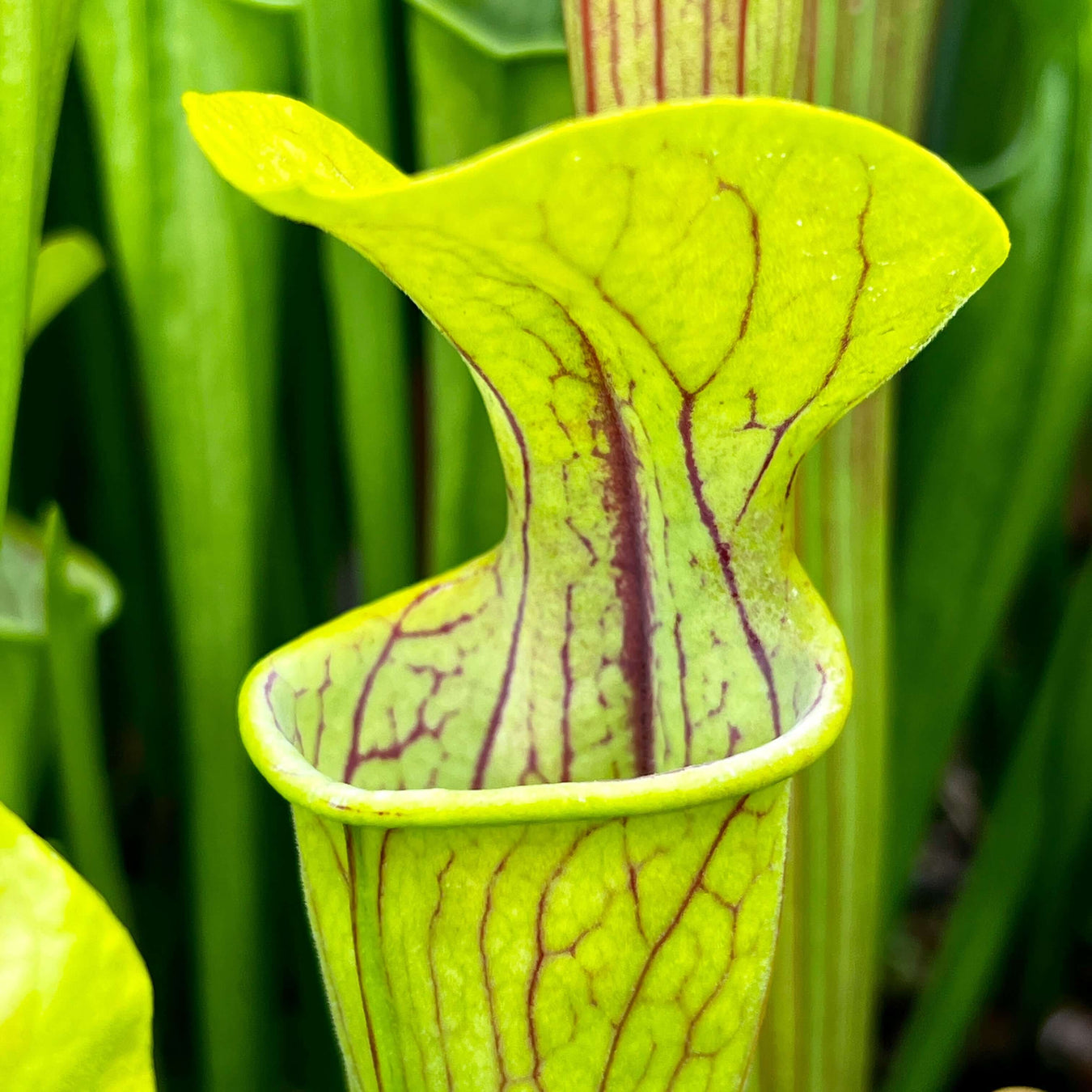
Sarracenia oreophila var. ornata (Clay County, North Carolina) is a nicely veined form of the green pitcher plant from are rare location in the mou...
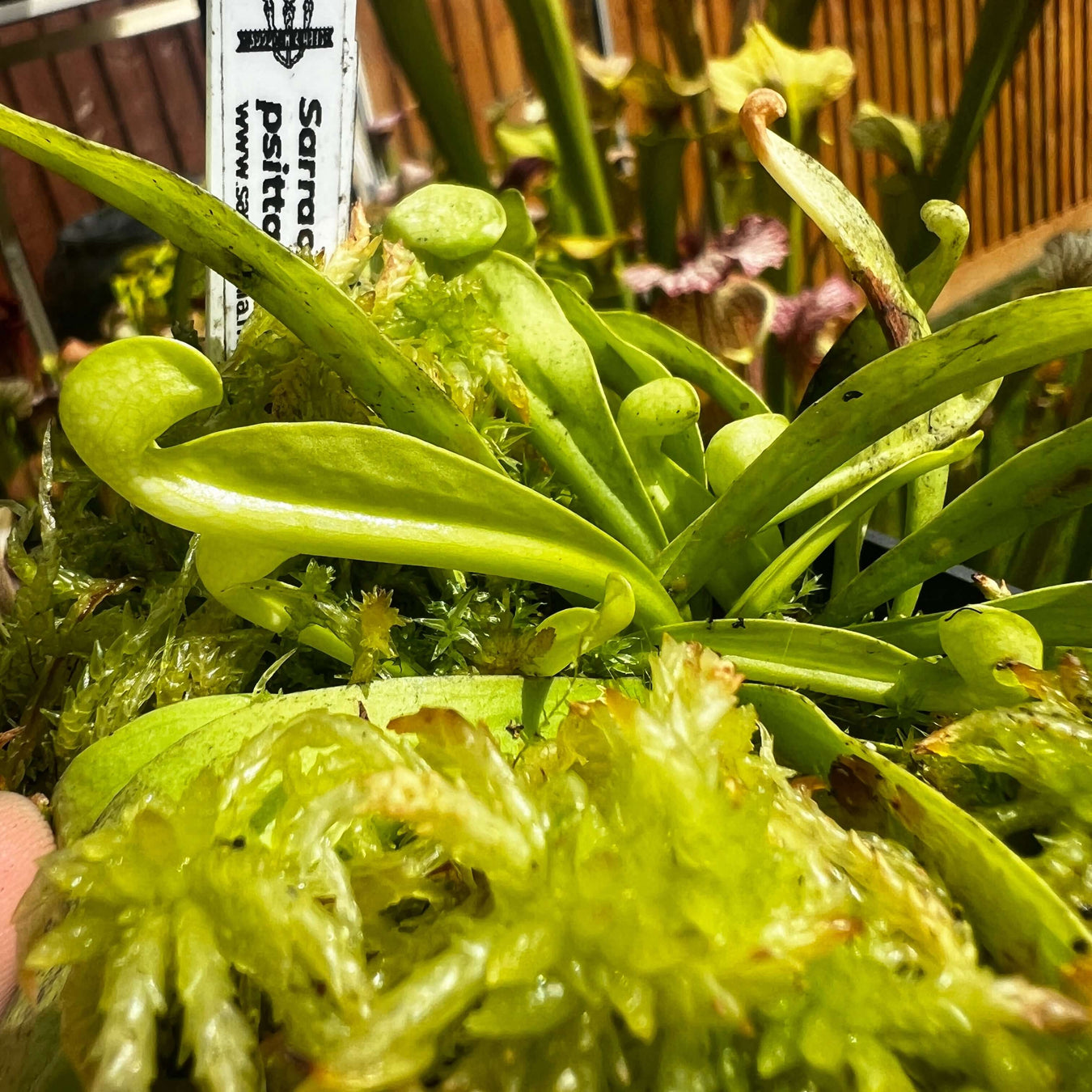
View full detailsSarracenia psittacina var. okefenokeensis f. luteoviridis (Sandy Creek Road, Bay County, Florida)
Sarracenia psittacina var. okefenokeensis is the large-growing form of the parrot pitcher plant, originating from the extensive wetlands of souther...
View full detailsSarracenia purpurea subsp. venosa 'Sylwia'
MK-PV57
Sarracenia purpurea subsp. venosa var. burkii f. luteola
MK-PV48
This clone of S. alata var. nigropurpurea is known for its distinct black-coloured tubes, with genetics from a site at the intersection of state ro...
View full detailsSarracenia alata var. cuprea (Deer Park, Washington County, Alabama) is an uncommon copper-lidded form of the pale pitcher plant from the Gulf Coas...
View full detailsSarracenia alata var. ornata (White's Crossing, DeSoto, Stone County, Mississippi) is an exceptionally tall form of the pale pitcher plant, capable...
View full detailsSarracenia flava f. viridescens (Shallotte, Brunswick County, North Carolina) is a rare anthocyanin-free form of the yellow pitcher plant. Originat...
View full detailsSarracenia leucophylla - L3C Yuri Sarzi
The 'Hurricane Creek' cultivar name can be applied to Sarracenia leucophylla var. alba clones, or their seeds, that were found at the Hurricane Cre...
View full detailsSarracenia oreophila var. oreophila (Boaz, Etowah County, Alabama)
Sarracenia psittacina var. psittacina f. viridescens (Wewahitchka, Gulf County, Florida) is an unusual anthocyanin-free form of the parrot pitcher ...
View full detailsThe 'Hurricane Creek' cultivar name can be applied to Sarracenia leucophylla var. alba clones, or their seeds, that were found at the Hurricane Cre...
View full detailsSarracenia leucophylla var. leucophylla (Gas Station Site, Perdido, Alabama)