
WhatsApp
Send us a message
Sarracenia alata var. ornata (White's Crossing, DeSoto, Stone County, Mississippi) is an exceptionally tall form of the pale pitcher plant, capable...
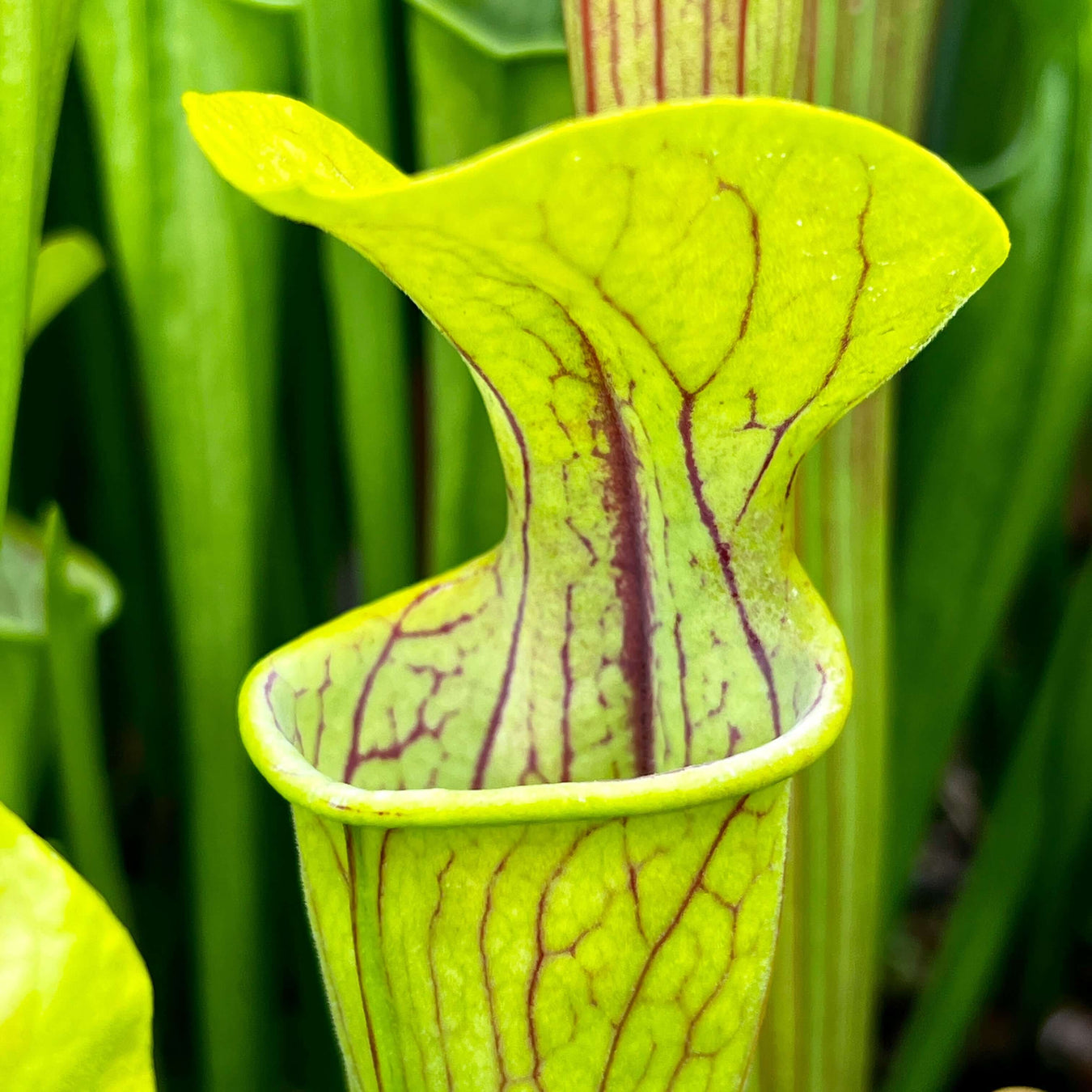
View full detailsSarracenia flava f. viridescens (Shallotte, Brunswick County, North Carolina) is a rare anthocyanin-free form of the yellow pitcher plant. Originat...
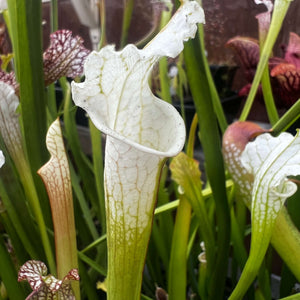
View full detailsThe 'Hurricane Creek' cultivar name can be applied to Sarracenia leucophylla var. alba clones, or their seeds, that were found at the Hurricane Cre...
View full detailsSarracenia oreophila var. oreophila (Boaz, Etowah County, Alabama)
Sarracenia psittacina var. psittacina f. viridescens (Wewahitchka, Gulf County, Florida) is an unusual anthocyanin-free form of the parrot pitcher ...
View full detailsThe 'Hurricane Creek' cultivar name can be applied to Sarracenia leucophylla var. alba clones, or their seeds, that were found at the Hurricane Cre...
View full detailsSarracenia leucophylla var. leucophylla (Gas Station Site, Perdido, Alabama)
This Sarracenia purpurea subsp. venosa var. burkii (Sarracenia rosea) from Bay County, North Florida, is a large-growing Gulf Coast form with a cle...
View full detailsSarracenia purpurea ssp. purpurea (Algonquin Provincial Park, Ontario, Canada)
Sarracenia purpurea subsp. purpurea var. riplicola (Bruce Peninsula, Ontario, Canada) MK-PP14
Sarracenia leucophylla L3 Giant is an impressive Sarracenia with location genetics from Citronelle, Alabama. This plant is known for its imposing s...
View full detailsThe 'Hurricane Creek' cultivar name can be applied to Sarracenia leucophylla var. alba clones, or their seeds, that were found at the Hurricane Cre...
View full detailsThe 'Hurricane Creek' cultivar name can be applied to Sarracenia leucophylla var. alba clones, or their seeds, that were found at the Hurricane Cre...
View full detailsSarracenia flava var. atropurpurea (Santa Rosa Beach, Walton County, Florida) is a dark, heavily pigmented form selected from the Florida panhandle...
View full detailsSarracenia flava var. atropurpurea 'Waccamaw' is a stunning Sarracenia flava var. atropurpurea from North Carolina’s Green Swamp. It has the classi...
View full detailsThis particular clone of the Sarracenia alata var. atrorubra is quite different. It originated from wild-collected seed in Jackson County, Mississi...
View full detailsOne of the giants! The 'Chipola Giant' Sarracenia purpurea subsp venosa var. burkii (or Sarracenia rosea if you prefer) clones are real show-stoppe...
View full detailsThe 'Hurricane Creek' cultivar name can be applied to Sarracenia leucophylla var. alba clones, or their seeds, that were found at the Hurricane Cre...
View full detailsSarracenia purpurea 'Chipola Giant' is a name given to a few clones of giant Sarracenia purpurea subsp. venosa var. burkii (Sarracenia rosea) origi...
View full detailsSarracenia rubra subsp. alabamensis AL003 comes from a secret site in central Alabama. The exact location stays protected to keep wild plants safe....
View full detailsMK-PV41
Sarracenia minor var. okefenokeensis is the giant variant of the species. The pitchers of this plant can grow up to a metre tall! Typical of Sarrac...
View full detailsSarracenia purpurea subsp. purpurea (Near Durham, Grey County, Ontario, Canada)
Sarracenia psittacina var. psittacina (George County, Alabama)